How Poor Sleep Can Lead to Weight Gain — And What You Can Do About It
- Jun 15
- 5 min read
Did you know that not getting enough sleep can cause weight gain?
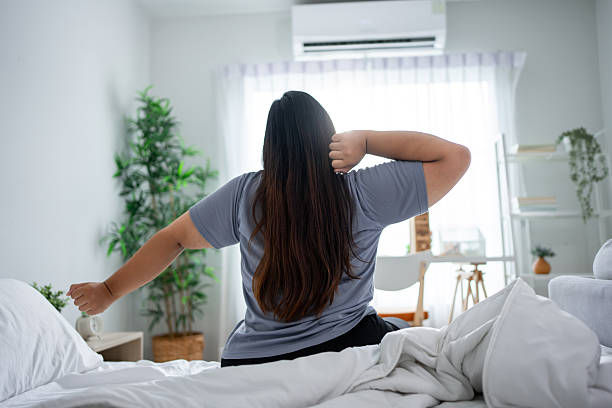
Most people think weight gain comes down to eating too much and exercising too little. While nutrition and physical activity certainly matter, there is another factor that many people overlook: sleep.
Research consistently shows that adults who regularly sleep less than 7 hours per night are more likely to gain weight, develop insulin resistance, and struggle with long-term weight management. In fact, poor sleep can affect your appetite, metabolism, food choices, stress hormones, and even where your body stores fat.
The good news? Improving your sleep is something you can start working on today.
How Poor Sleep Can Lead to Weight Gain?

When you don't get enough sleep, several things happen in your body that make it easier to gain weight and harder to lose it.
You Feel Hungrier
Sleep loss changes the hormones that control your appetite.
Your body produces more ghrelin, often called the "hunger hormone," and less leptin, the hormone that signals fullness and satisfaction after eating.
The result? You feel hungrier throughout the day and may find yourself eating larger portions before feeling satisfied.
Many people describe feeling "bottomless" after a poor night's sleep. That's not a lack of willpower—it's biology.
You Crave High-Calorie Foods
Poor sleep doesn't just make you hungry—it changes what you want to eat.
Studies show that sleep deprivation increases cravings for:
Sweets and sugary foods
Refined carbohydrates
Fast food
High-fat snacks
Comfort foods
Brain imaging studies suggest that sleep deprivation increases activity in the brain's reward centers while reducing activity in areas responsible for impulse control and decision-making.
In other words, when you're tired, unhealthy foods become more appealing at the exact same time your ability to resist them becomes weaker.
You Eat More Calories Without Burning More
Research suggests that sleep-deprived individuals consume approximately 250–300 extra calories per day on average.
Unfortunately, the body does not automatically increase energy expenditure to compensate.
Those extra calories may not seem significant at first, but over weeks, months, and years they can contribute to meaningful weight gain.
Your Body Stores More Belly Fat
Sleep loss appears to encourage the storage of visceral fat, the fat that accumulates deep within the abdomen around internal organs.
Visceral fat is particularly concerning because it is strongly associated with:
Type 2 diabetes
High blood pressure
Heart disease
Chronic inflammation
Even when overall weight gain appears modest, poor sleep may increase the amount of fat stored around the midsection.
Your Stress Hormones Increase
When sleep becomes disrupted, the body often behaves as though it is under stress.
One of the body's primary stress hormones is cortisol.
Chronic sleep deprivation can contribute to elevated cortisol levels, which may lead to:
Increased appetite
More cravings for sugary and high-fat foods
Increased abdominal fat storage
Higher blood sugar levels
Greater difficulty losing weight
Many people notice that periods of chronic stress and insomnia seem to go hand-in-hand with weight gain. There is a biological reason for that connection.
Your Metabolism Becomes Less Efficient
Sleep plays a critical role in regulating blood sugar and insulin.
Even a few nights of inadequate sleep can reduce insulin sensitivity, meaning your body becomes less efficient at moving glucose out of the bloodstream and into cells for energy.
Over time, this can contribute to:
Blood sugar instability
Increased insulin production
Increased fat storage
Greater risk for prediabetes and Type 2 diabetes
Researchers have found that sleep deprivation can create metabolic changes similar to those seen in the early stages of insulin resistance.
You Have Less Energy to Exercise
This effect is often overlooked.
When you're exhausted:
Workouts feel harder
Motivation decreases
Recovery takes longer
Exercise performance suffers
Many people blame themselves for "lacking discipline" when the real issue is chronic sleep deprivation.
It is difficult to maintain healthy habits when your body is operating on a sleep deficit.
The Hidden Cycle of Sleep and Weight Gain

Poor sleep and weight gain often create a vicious cycle:
Poor Sleep → Increased Hunger → Weight Gain → Worse Sleep → More Weight Gain
As weight increases, some people develop additional sleep-related problems such as:
Snoring
Obstructive sleep apnea
Fragmented sleep
Reduced sleep quality
Without intervention, the cycle can become increasingly difficult to break.
The Good News: Better Sleep Can Help
One clinical trial found that adults who were chronically sleep deprived and increased their sleep by approximately one hour per night naturally reduced their calorie intake by about 270 calories per day—without making intentional changes to their diet or exercise routine.
Many people notice that when their sleep improves, they experience:
Fewer cravings
Better portion control
More stable energy levels
Improved mood
Better blood sugar regulation
Easier weight management
Improving sleep does not automatically cause weight loss, but it often makes healthy eating and exercise much easier to maintain.
Tips for Better Sleep
Try these strategies to improve your sleep:
1. Stick to a Schedule
Go to bed and wake up at the same time every day—even on weekends.
2. Aim for 7–9 Hours of Sleep
Most adults need between 7 and 9 hours of sleep each night for optimal health.
3. Create a Relaxing Bedtime Routine
Spend 30–60 minutes winding down before bed with calming activities such as reading, gentle stretching, meditation, or deep breathing.
4. Make Your Bedroom Sleep-Friendly
Keep your bedroom:
Cool
Dark
Quiet
Comfortable
For many people, a room temperature around 65°F (18°C) promotes better sleep.
5. Put Away Screens Before Bed
Phones, tablets, computers, and televisions emit blue light that can interfere with your body's natural sleep-wake cycle.
Try avoiding screens for at least 30–60 minutes before bedtime.
6. Watch What You Eat and Drink in the Evening
Avoid large meals within 2–3 hours of bedtime.
Limit caffeine after lunchtime.
Avoid alcohol close to bedtime. Although it may initially make you feel sleepy, alcohol often disrupts sleep quality later in the night.
7. Stay Active During the Day
Regular physical activity can improve both sleep quality and overall health.
Just avoid vigorous exercise within about 3 hours of bedtime if it interferes with your ability to fall asleep.
8. Limit Naps
If you choose to nap, keep it brief—about 20–30 minutes—and avoid napping late in the afternoon.
9. Get Morning Sunlight
Exposure to bright light shortly after waking helps regulate your body's internal clock and supports healthy sleep patterns.
When to Talk to a Sleep Specialist
Consider seeking professional help if you:
Regularly struggle to fall asleep
Wake frequently during the night
Wake too early and cannot fall back asleep
Snore loudly
Have been told you stop breathing during sleep
Feel exhausted despite spending enough time in bed
Have tried improving your sleep habits without success
Sleep disorders such as insomnia, sleep apnea, circadian rhythm disorders, and other sleep-related conditions are common—and treatable.
The Bottom Line
Sleep is not a luxury. It is one of the foundations of physical and mental health.
When sleep is consistently disrupted, your body becomes hungrier, craves more calories, stores more fat, and struggles to regulate blood sugar and metabolism.
If you've been focusing only on diet and exercise but still find yourself struggling with weight, it may be time to look at what happens after the lights go out.
Sometimes the missing piece isn't another diet.
Sometimes it's better sleep.
Disclaimer: The information provided in this article is for educational and informational purposes only and is not intended to diagnose, treat, cure, or prevent any medical or mental health condition. Reading this content does not establish a provider-patient relationship with Holistic Sleep Care. Individual health needs vary, and the information presented may not be appropriate for every person or situation. Always consult your physician, qualified healthcare provider, or emergency services regarding any medical concerns, symptoms, or treatment decisions. Never disregard professional medical advice or delay seeking care because of something you have read on this website.


Comments